



Evolving landscape necessitates partnerships

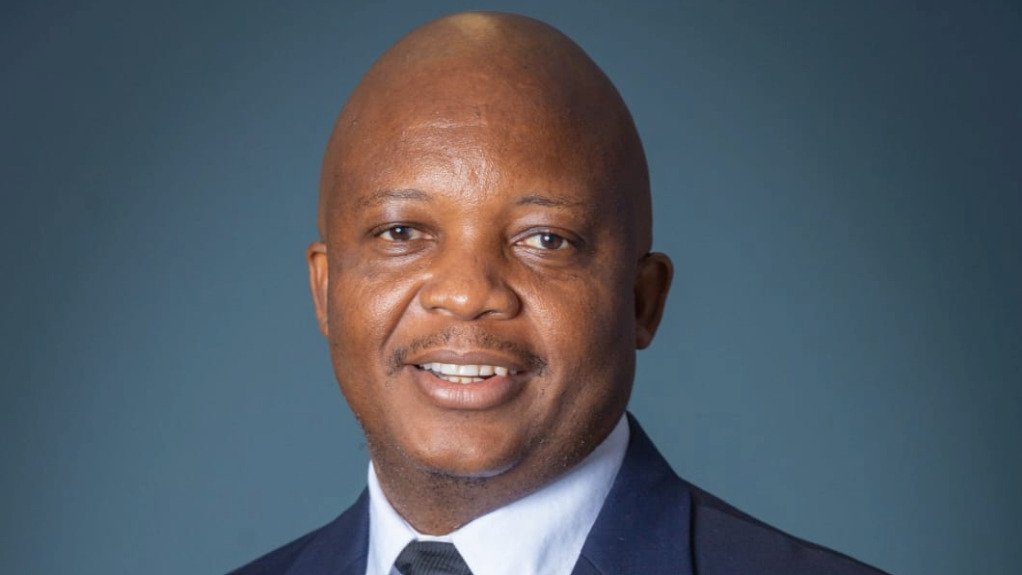
SHAMMY LUVHENGO There is a shift to green energy, and rightfully so, but South Africa still needs a stable baseload supply



As South Africa’s mining sector stakeholders prepare for the Investing in African Mining Indaba, midtier coal miner Ndalamo Resources CEO Shammy Luvhengo says the country’s evolving energy landscape necessitates the need for pragmatic partnerships, disciplined logistics reform and environmentally responsible coal production – particularly for midtier players navigating uncertainty.
Ndalamo Resources is an associate sponsor at Investing in African Mining Indaba 2026 and, as a mid-tier coal producer navigating logistics strain and transition dynamics, the company is participating at the Indaba as a key stakeholder in the push for pragmatic, partnership-led energy security.
Luvhengo stresses that while South Africa accelerates its energy transition, coal remains “structurally indispensable in the national energy mix”, and that the mining sector’s competitiveness will hinge on collaboration across logistics, State-owned power utility Eskom and new energy-sector entrants.
“We’ve always been a coal company and we’ve always maintained that coal will remain relevant within the energy mix. There is a shift to green energy, and rightfully so, but South Africa still needs a stable baseload supply.”
The real debate is not about coal against renewables, but rather about balancing the system around energy security, affordability and raw material availability.
Internationally, countries are grappling with precisely the same dynamic: China, for example, is expanding its renewables footprint while maintaining significant coal dependence, he adds.
The updated Integrated Resource Plan acknowledges the need to focus on what South Africa needs to do to restore stability, which includes coal, renewables and potentially nuclear, although nuclear remains a long-cycle, capital-heavy commitment, Luvhengo notes.
Ndalamo Resources is, therefore, pursuing a dual strategy of scaling its coal operations while reducing environmental impact through intensified desulphurisation and cleaner production processes, as well as integrating selective green energy initiatives to reduce operational costs.
“I’ve never looked at renewables as competition,” he states, adding that if South Africa wants to grow at the desired rate, it needs an oversupply of energy so that prices can drop? and industries can reopen.
Logistics Remains Decisive
Luvhengo maintains that logistics, not funding appetite, is the central barrier to new coal investment: “For anyone considering whether to invest $200-million in a coal company, the question is simple: 'Can I get the coal out of the country?' ”
While export markets remain firm, rail congestion and inconsistent capacity continue to suppress supply potential, he notes.
With State-owned freight and logistics company Transnet remaining an anchor for the sector, Luvhengo believes that coordinated solutions among miners, Transnet and private operators will take centre stage in discussions at this year’s Investing in African Mining Indaba.
While early operational logistics improvements in Maputo, in Mozambique – including rail siding expansions and workforce training – indicate progress, reliability must improve materially, he says.
Ndalamo Resources is bolstering its logistics by increasingly integrating it into its investment model, ensuring that rail sidings, rail access and material offtake solutions are secured ahead of project commitments.
Luvhengo expects a stronger emphasis on colocating junior miners with existing infrastructure, consequently allowing for the shared use of processing plants, rail sidings and beneficiation facilities to accelerate market entry and reduce capital intensity for startup projects.
