Eskom promises not to impose burdens on other customers as it inks MoU to support embattled ferrochrome smelters



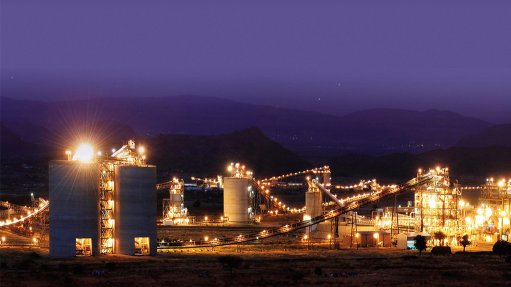
Eskom has signed a memorandum of understanding (MoU) with Samancor Chrome and the Glencore–Merafe Chrome Venture in a bid to finalise an electricity tariff solution that prevents the closure of additional smelting capacity, and averts the threat of widespread job cuts in the sector.
In a statement, Eskom said a joint task team had been set up to develop the intervention following what the State-owned company described as constructive engagements held on December 5 with Electricity and Energy Minister Dr Kgosientsho Ramokgopa and organised labour.
The talks followed the initiation by Samancor Chrome and the Glencore–Merafe Chrome Venture of Section 189 retrenchment processes that could affect close to 5 000 workers.
In a separate statement, the Glencore–Merafe Chrome Venture reported that the MoU would extend collaboration and engagement aimed at finding a workable energy solution for the ferrochrome industry by no later than the end of February.
"As a result of this agreement, the Venture will seek to conclude arrangements with consulting parties to extend the Section 189 consultation period until 28 February 2026 and regulate the terms and conditions of this proposed extension.
"This extension demonstrates the Venture’s commitment to engaging constructively with government and other stakeholders to find a viable solution that can save jobs and support competitive beneficiation in South Africa."
However, the statement fell short of the National Union of Mineworkers' (NUM's) call for the ferrochrome industry to formally commit to a three-month moratorium on all retrenchments and smelter closures.
In fact, Glencore–Merafe Chrome Venture indicated that the Section 189 process in relation to Project Phoenix streamlining and right-sizing of operations remained unaffected by the MoU.
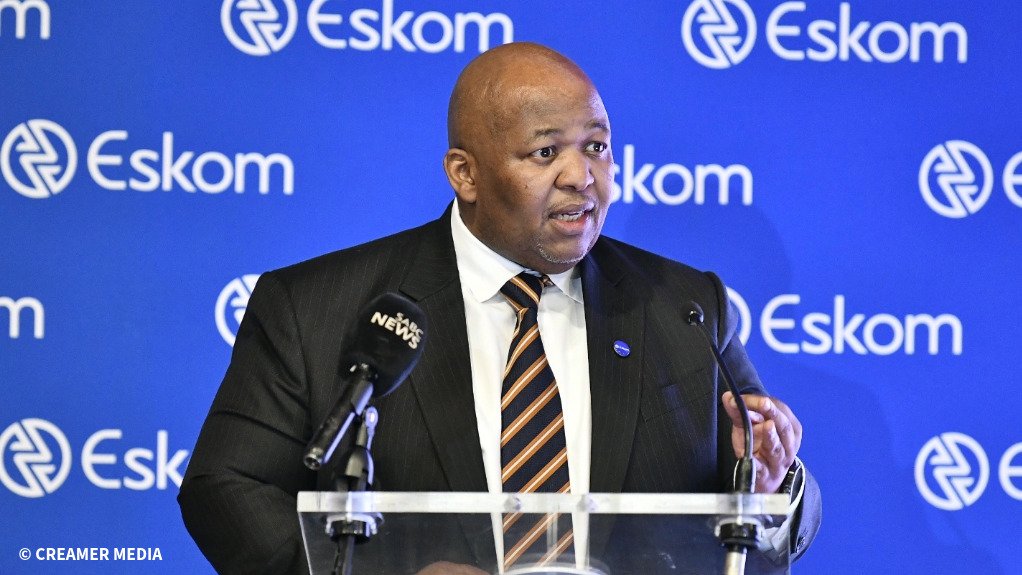
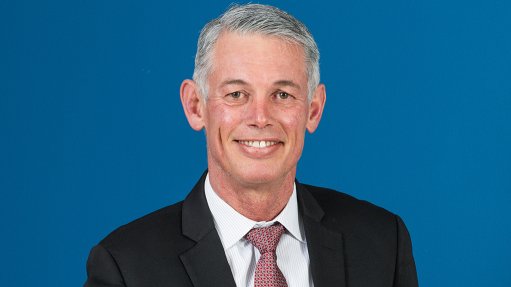
Eskom CEO Dan Marokane said a multi-stakeholder task team would be set up to seek to finalise a strategy that supported industrial competitiveness while ensuring that the electricity-pricing solution did not impose additional burdens on other customers.
No details were provided regarding how other customers would be protected, however, with the cost of previous negotiated pricing agreements (NPAs) with electricity-intensive companies having hitherto always been borne by standard tariff customers.
The current distress in the ferrochrome industry had arisen despite the fact that the smelters secured regulatory approval in October 2023 for six-year NPAs, which provided access to lower-cost tariff structures.
The NUM offered specifics, reporting that the ferrochrome industry had indicated that the current Eskom tariff of R2.12/kWh was unsustainable.
"During a meeting last Friday with the Minister of Electricity, Kgosientsho Ramokgopa, the government proposed lowering the tariffs to 87.7c/kWh. The industry requested a competitive energy tariff of 62c/kWh," the NUM revealed.
Earlier this year, both Samancor Chrome and the Glencore–Merafe Chrome Venture activated the hardship provisions of their NPAs as market conditions deteriorated and rising electricity costs became increasingly difficult to absorb. Since 2008, electricity tariffs in South African have surged by over 900%.
Eskom then applied for a temporary waiver of take-or-pay obligations, which the National Energy Regulator of South Africa (Nersa) approved for a limited period, which helped stabilise operations temporarily.
It was confirmed in the statement that Nersa was currently processing an application for an interim tariff adjustment for the smelters.
“Once the interim tariff is approved, the smelters have committed to suspend the Section 189 retrenchment process and bring 40% of their furnace capacity back online while the long-term solution is developed under the MoU,” Eskom said in a statement on December 8.
In parallel to the electricity tariff relief, government would work on a “complementary mechanism” to support a more competitive pricing path for the sector, which is expected to be finalised over the coming three months.
No details were provided on the mechanism, but the MoU follows a rejection by chrome producers and ferrochrome smelters of a previous government proposal to implement an export tax on chrome ore.
Such trade measures, the chrome industry argued, would fail to address the viability of the smelters in the absence of an intervention to tackle uncompetitive electricity costs.
Marokane, who recently questioned the advisability of additional NPAs in an interview with the Business Day, welcomed the collaborative efforts of government, labour, and industry to address the crisis.
He argued that the MoU created a “structured process to find a sustainable and responsible solution that maintains industrial capacity while protecting broader electricity consumers”.
“Eskom remains committed to supporting industrial operations within a lawful and economically sustainable framework that balances the needs of industry with the rights of all customers.”
The utility committed to engage transparently and constructively with all stakeholders to ensure that the agreed interventions delivered sustainable benefits for the economy and the national electricity system.
“Eskom remains steadfast in its commitment to finding solutions that safeguard South Africa’s industrial capacity while protecting electricity consumers from unintended cost impacts.”
Article Enquiry
Email Article
Save Article
Feedback
To advertise email advertising@creamermedia.co.za or click here

Projects
Latest Multimedia
Latest News
Showroom
Axiom Hydraulics is a trusted leader in South Africa’s hydraulic industry, delivering world-class components, systems, and engineering expertise...
VISIT SHOWROOM
Sweet-Orr, established in 1871, is a global leader in superior protective workwear, known for quality, innovation, and performance.
VISIT SHOWROOM
Announcements
What's On
Subscribe to improve your user experience...
Option 1 (equivalent of R125 a month):
Receive a weekly copy of Creamer Media's Engineering News & Mining Weekly magazine
(print copy for those in South Africa and e-magazine for those outside of South Africa)
Receive daily email newsletters
Access to full search results
Access archive of magazine back copies
Access to Projects in Progress
Access to ONE Research Report of your choice in PDF format
Option 2 (equivalent of R375 a month):
All benefits from Option 1
PLUS
Access to Creamer Media's Research Channel Africa for ALL Research Reports, in PDF format, on various industrial and mining sectors
including Electricity; Water; Energy Transition; Hydrogen; Roads, Rail and Ports; Coal; Gold; Platinum; Battery Metals; etc.
Already a subscriber?
Forgotten your password?
Receive weekly copy of Creamer Media's Engineering News & Mining Weekly magazine (print copy for those in South Africa and e-magazine for those outside of South Africa)
➕
Recieve daily email newsletters
➕
Access to full search results
➕
Access archive of magazine back copies
➕
Access to Projects in Progress
➕
Access to ONE Research Report of your choice in PDF format
RESEARCH CHANNEL AFRICA
R4500 (equivalent of R375 a month)
SUBSCRIBEAll benefits from Option 1
➕
Access to Creamer Media's Research Channel Africa for ALL Research Reports on various industrial and mining sectors, in PDF format, including on:
Electricity
➕
Water
➕
Energy Transition
➕
Hydrogen
➕
Roads, Rail and Ports
➕
Coal
➕
Gold
➕
Platinum
➕
Battery Metals
➕
etc.
Receive all benefits from Option 1 or Option 2 delivered to numerous people at your company
➕
Multiple User names and Passwords for simultaneous log-ins
➕
Intranet integration access to all in your organisation