Decentralised treatment a critical water safeguard

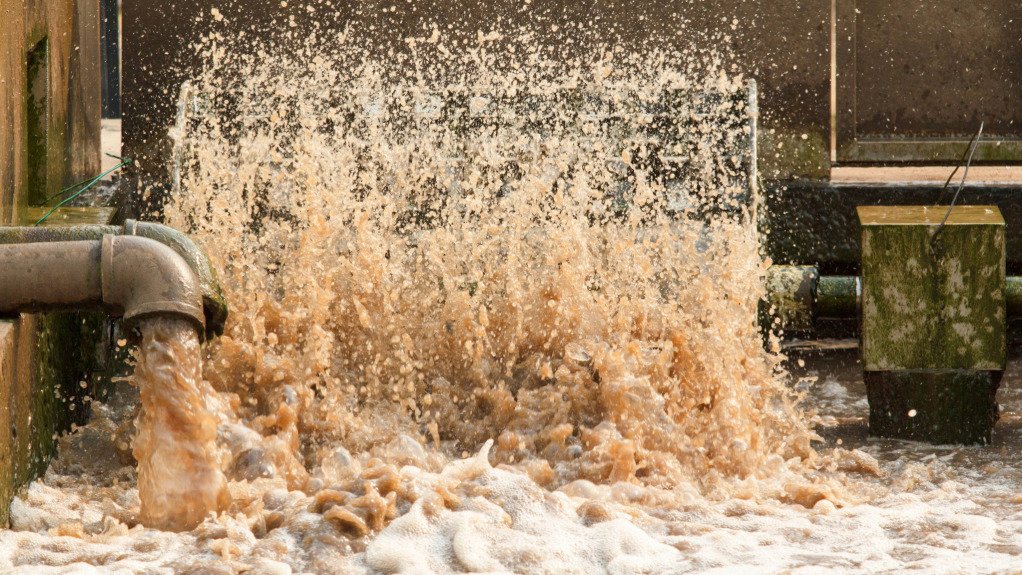
UPSTREAM FIRST Effective waste treatment at the source is emerging as the critical and most overlooked key to securing South Africa’s future water resilience
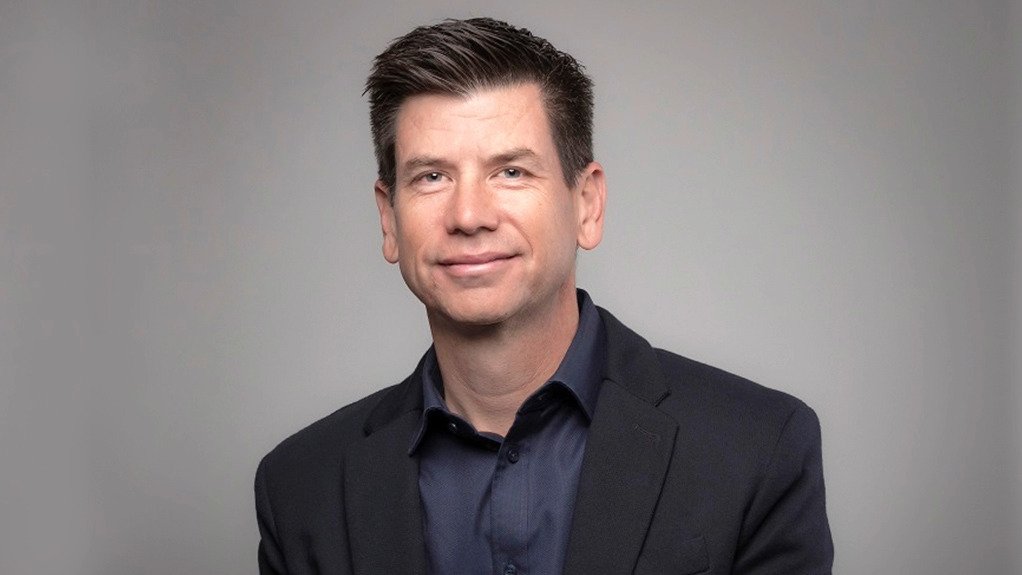
ROBERT ERASMUS If there are biologicals in the catchment areas where extraction takes place, it becomes significantly more difficult to provide clean drinking water



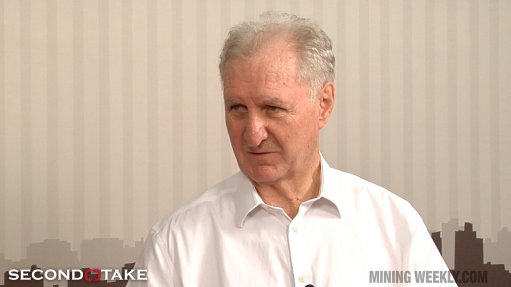
South Africa’s water-security challenges are tightening at every link of the value chain, but engineers warn that the most overlooked threat is at the very beginning – in the form of waste treatment, says portable sanitation company Sanitech MD Robert Erasmus.
When upstream systems fail, downstream purification becomes exponentially more complex, costly and, in some cases, almost impossible.
This upstream-downstream connection remains widely underappreciated, yet it underpins every discussion about long-term water resilience, Erasmus adds.
“The starting point is always waste treatment. If there are biologicals in the catchment areas where extraction takes place, it becomes significantly more difficult to provide clean drinking water.”
Rising migration is intensifying this pressure as communities expand in areas where municipal infrastructure has not kept pace, such as Durban’s rapidly growing North Coast.
Further, Erasmus notes that developers are increasingly compelled to adopt decentralised, privately-owned treatment systems.
These packaged plants, which range from installations serving 50 residents to fully fledged facilities accommodating 2 500 people, offer a practical alternative in regions where bulk networks are stretched beyond their design capacity.
Approval delays, however, remain a recurring bottleneck and Erasmus highlights that although the technology is mature and readily available, the administrative process can be slow, thereby dampening the speed at which private players can intervene.
Digital Oversight
While the underlying treatment processes have changed little over recent decades, the sector is undergoing a major shift in monitoring capability.
Erasmus notes that remote diagnostics now enable engineers to oversee plants from anywhere in the world, improving reliability and reducing the need for daily on-site checks.
“The physical processing hasn’t changed much – it’s the monitoring, the early warning systems and the remote maintenance capability that have seen the biggest improvement.”
This level of visibility is becoming increasingly important as independent testing reveals significant quality failures, with Blue Drop and Green Drop data suggesting that only about 16% of municipal water meets national standards, while many systems show severe biological contamination.
One incident in Secunda, in Mpumalanga, illustrated the extent of the problem as incoming municipal water at a Sanitech facility in the town was so compromised that technicians initially believed they were examining post-treatment effluent.
Such cases, Erasmus warns, highlight the urgency of routine post-meter testing by businesses and communities. These decentralised assessments, he argues, can create a transparent national dataset that pressures authorities to fill vacancies, invest in training and improve plant performance.
Beyond monitoring, wider adoption of advanced recycling remains limited, largely owing to economics. Water in South Africa is still relatively inexpensive, thereby reducing the commercial incentive to invest in high- capital reuse systems.
For now, uptake is driven primarily by environmental, social and governance considerations or the need for operational resilience in manufacturing processes. As tariffs rise, the business case for water reuse and recycling is expected to strengthen, Erasmus adds.
On the policy front, he sees limited potential for deep public–private partnerships in bulk water services. Instead, he calls for streamlined approvals that allow for decentralised private systems where municipal capacity cannot meet demand.
“We’re not looking to take over municipal functions. We just want an efficient process that removes unnecessary red tape.”
Erasmus says climate-change impacts on catchment behaviour are further complicating long-term planning and shifting hydrological patterns may render historical assumptions obsolete, requiring engineers to reassess the validity of traditional source areas.
Ultimately, the sector is moving towards a future defined by localised treatment, independent testing and technology-enabled transparency – a model that could significantly strengthen South Africa’s water resilience in the years ahead.
Article Enquiry
Email Article
Save Article
Feedback
To advertise email advertising@creamermedia.co.za or click here
Research Reports

Projects
Latest Multimedia

Latest News
Showroom

For over 15 years, Lilak Aluminium, a trusted leader in architectural extrusion supply, has delivered excellence to businesses like yours.
VISIT SHOWROOM
Leading condition monitoring specialists, WearCheck, help boost machinery lifespan and reduce catastrophic component failure through the scientific...
VISIT SHOWROOM
Announcements
What's On
Subscribe to improve your user experience...
Option 1 (equivalent of R125 a month):
Receive a weekly copy of Creamer Media's Engineering News & Mining Weekly magazine
(print copy for those in South Africa and e-magazine for those outside of South Africa)
Receive daily email newsletters
Access to full search results
Access archive of magazine back copies
Access to Projects in Progress
Access to ONE Research Report of your choice in PDF format
Option 2 (equivalent of R375 a month):
All benefits from Option 1
PLUS
Access to Creamer Media's Research Channel Africa for ALL Research Reports, in PDF format, on various industrial and mining sectors
including Electricity; Water; Energy Transition; Hydrogen; Roads, Rail and Ports; Coal; Gold; Platinum; Battery Metals; etc.
Already a subscriber?
Forgotten your password?
Receive weekly copy of Creamer Media's Engineering News & Mining Weekly magazine (print copy for those in South Africa and e-magazine for those outside of South Africa)
➕
Recieve daily email newsletters
➕
Access to full search results
➕
Access archive of magazine back copies
➕
Access to Projects in Progress
➕
Access to ONE Research Report of your choice in PDF format
RESEARCH CHANNEL AFRICA
R4500 (equivalent of R375 a month)
SUBSCRIBEAll benefits from Option 1
➕
Access to Creamer Media's Research Channel Africa for ALL Research Reports on various industrial and mining sectors, in PDF format, including on:
Electricity
➕
Water
➕
Energy Transition
➕
Hydrogen
➕
Roads, Rail and Ports
➕
Coal
➕
Gold
➕
Platinum
➕
Battery Metals
➕
etc.
Receive all benefits from Option 1 or Option 2 delivered to numerous people at your company
➕
Multiple User names and Passwords for simultaneous log-ins
➕
Intranet integration access to all in your organisation