Fastway shares the five last-mile shifts reshaping South African e-commerce

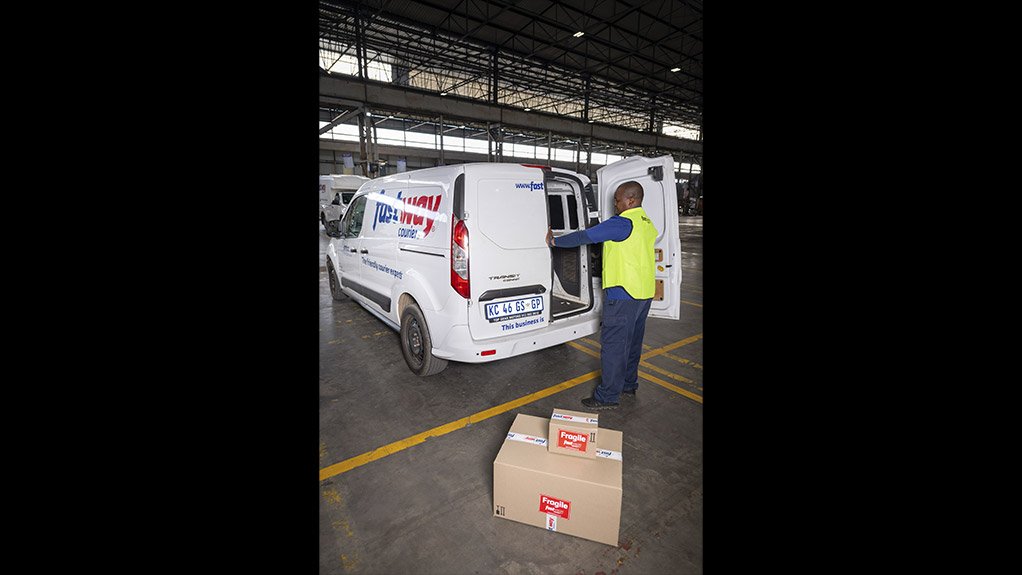


This article has been supplied.
As South Africa’s e-commerce sector continues to mature, expectations around delivery speed, visibility and affordability are intensifying. With online retail projected to exceed R100 billion locally by 2026, and e-commerce edging closer to 10% of total retail sales, courier networks are under growing pressure to scale reliably without adding cost to already stretched businesses.
This pressure is already visible in Fastway’s own network. Fastway’s internal data shows that parcel volumes increased by more than 26% year-on-year across November and December 2025, with December deliveries alone up nearly 40%, underscoring the growing strain on last-mile networks during peak trading periods.
The surge reflects both growing online demand and increasing reliance on delivery by small and mid-sized retailers.
According to Danie Taljaard, Head of Technology at Fastway Couriers South Africa, 2026 will mark a turning point for last-mile logistics, one where technology-led efficiency becomes essential to sustainable growth.
Drawing on operational insights from across Fastway’s national network, Taljaard outlines five last-mile trends that are set to shape South African e-commerce in the year ahead.
1. Automation becomes foundational to last-mile performance
As parcel volumes continue to rise, courier operations are increasingly under pressure to process more freight in shorter timeframes, without increasing error rates or delivery delays. In this environment, automation is no longer a future consideration, it is a prerequisite for scale.
At Fastway, automation is already embedded into operations. Its Johannesburg hub is capable of processing up to 6,000 parcels per hour, enabling higher throughput while reducing manual handling and bottlenecks during peak trading periods.
“Automation allows us to absorb growth without compromising reliability,” says Taljaard. “It creates consistency at volume which is critical as e-commerce demand becomes less seasonal and more continuous.”
2. Direct system integrations become the norm for SMEs
Courier integration is no longer reserved for large enterprises with dedicated development teams. Fastway has seen a marked increase in demand from SMEs for API and SFTP integrations, reflecting a broader shift towards automated fulfilment workflows.
These integrations allow businesses to quote, generate labels and track parcels directly from their own systems thereby reducing administrative effort, limiting human error and speeding up dispatch times.
“In 2026, logistics needs to plug seamlessly into how a business already operates,” Taljaard explains. “SMEs increasingly expect courier services to integrate into their tech stack, not sit outside of it.”
3. Affordability is driven by efficiency, not price-cutting
While delivery expectations continue to rise, affordability remains a critical concern for South African businesses operating in a constrained economic environment. This pressure is being amplified by the entry of global e-commerce platforms and cross-border marketplaces, which are raising the bar on delivery speed and transparency while intensifying competition for local retailers.
According to Fastway, the answer lies less in headline pricing and more in operational efficiency using automation, route optimisation and system-led processes to reduce cost per parcel.
“Keeping delivery affordable in 2026 will depend on how efficiently networks are run,” says Taljaard. “The couriers that succeed will be those that remove friction from the system rather than adding cost downstream.”
4. Higher-value parcels drive demand for extended liability cover
As e-commerce expands into categories such as electronics, specialist retail and premium goods, the average value of parcels moving through last-mile networks is increasing.
Fastway has seen growing uptake of optional extended liability cover, allowing businesses to protect shipments of higher value and providing additional peace of mind across the delivery journey. This trend reinforces the importance of robust handling processes, visibility and accountability throughout the network.
“As parcel values increase, protection becomes part of the customer experience,” Taljaard notes. “It’s no longer nice to have, it’s an expectation.”
5. Delivery transparency becomes central to customer trust
Real-time communication is now a defining feature of the last-mile experience. Fastway’s data shows that recipients increasingly expect proactive delivery updates via WhatsApp, SMS and email, with clear milestones from pickup to final delivery.
In a market where infrastructure constraints and last-mile complexity continue to challenge delivery consistency, clear communication has become a critical trust-building tool for retailers and their logistics partners.
In 2026, transparency will play a critical role in building trust between retailers and their customers particularly as same-day and next-day delivery options become more widespread.
“The last mile is often the only physical touchpoint in an online transaction,” says Taljaard. “How clearly and consistently that moment is communicated has a direct impact on brand trust.”
Together, these trends reflect a courier industry in transition, one where technology, efficiency and customer experience must evolve in parallel. For Fastway, the focus remains on building systems that reduce complexity for businesses and support sustainable growth in South Africa’s e-commerce economy.
“The future of last-mile delivery isn’t just about speed,” Taljaard concludes. “It’s about creating logistics networks that remove friction, improve visibility and give businesses one less thing to worry about as they scale.”
Article Enquiry
Email Article
Save Article
Feedback
To advertise email advertising@creamermedia.co.za or click here
Research Reports


Projects

Latest Multimedia

Latest News


Showroom

ECG provides specialised electrical engineering services to the Mining, Utilities, Materials Handling and Industrial industries, with extensive and...
VISIT SHOWROOM
Sweet-Orr, established in 1871, is a global leader in superior protective workwear, known for quality, innovation, and performance.
VISIT SHOWROOM



Press Office
Announcements
What's On
Subscribe to improve your user experience...
Option 1 (equivalent of R125 a month):
Receive a weekly copy of Creamer Media's Engineering News & Mining Weekly magazine
(print copy for those in South Africa and e-magazine for those outside of South Africa)
Receive daily email newsletters
Access to full search results
Access archive of magazine back copies
Access to Projects in Progress
Access to ONE Research Report of your choice in PDF format
Option 2 (equivalent of R375 a month):
All benefits from Option 1
PLUS
Access to Creamer Media's Research Channel Africa for ALL Research Reports, in PDF format, on various industrial and mining sectors
including Electricity; Water; Energy Transition; Hydrogen; Roads, Rail and Ports; Coal; Gold; Platinum; Battery Metals; etc.
Already a subscriber?
Forgotten your password?
Receive weekly copy of Creamer Media's Engineering News & Mining Weekly magazine (print copy for those in South Africa and e-magazine for those outside of South Africa)
➕
Recieve daily email newsletters
➕
Access to full search results
➕
Access archive of magazine back copies
➕
Access to Projects in Progress
➕
Access to ONE Research Report of your choice in PDF format
RESEARCH CHANNEL AFRICA
R4500 (equivalent of R375 a month)
SUBSCRIBEAll benefits from Option 1
➕
Access to Creamer Media's Research Channel Africa for ALL Research Reports on various industrial and mining sectors, in PDF format, including on:
Electricity
➕
Water
➕
Energy Transition
➕
Hydrogen
➕
Roads, Rail and Ports
➕
Coal
➕
Gold
➕
Platinum
➕
Battery Metals
➕
etc.
Receive all benefits from Option 1 or Option 2 delivered to numerous people at your company
➕
Multiple User names and Passwords for simultaneous log-ins
➕
Intranet integration access to all in your organisation