Technology central to overcoming mining’s growth constraints


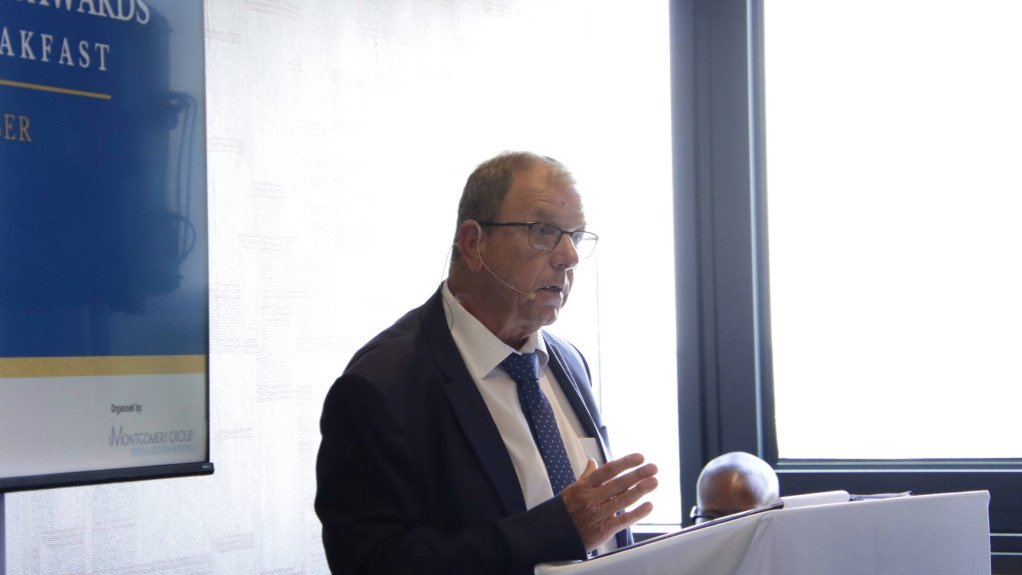




ERIC BRUGGEMAN South Africa's mining sector remains a significant contributor to the country's economy
JULIE COURTNAGE Collaboration allows multiple perspectives and solutions to emerge
STEPHEN MCNEILL Technology and efficiency are key to remaining relevant in global markets
KABELO NKOANA Technologies such as autonomous equipment contributed significantly towards zero-harm operations
COMBINED EFFORT The role of stakeholder collaboration in technological advances is central to developing innovative solutions that address real operational challenges in mining






Given the increasing depths and complexity of orebodies, high and volatile energy costs, logistics bottlenecks and growing demand for safer and sustainable operations, the adoption of digital technologies is now essential as a baseline for mine safety, sustainability and competitiveness.
This message echoed throughout Creamer Media’s ‘New Mining Technologies’ webinar on February 25, facilitated by South African Capital Equipment Export Council (SACEEC) CEO Eric Bruggeman, with the panelists including public-private partnership Mandela Mining Precinct executive director Julie Courtnage, original-equipment manufacturer (OEM) Bell Equipment group marketing head Stephen McNeill and multinational engineering company Sandvik Mining and Rock Solutions automation and digitisation business line manager Kabelo Nkoana.
The panelists were unanimous that automation, digitalisation and collaborative innovation are essential drivers of productivity and safety in an industry facing structural and competitiveness pressures.
Bruggeman noted that South Africa’s mining sector remains a significant contributor to the country’s economy, accounting for around 7.3% of GDP and around R220-billion in yearly mining technology exports. With 561 mines and vast reserves of commodities such as gold, platinum group metals and manganese, he said the country remains globally relevant, both as a mineral producer and a technology exporter. However, he cautioned that traditional operating models were becoming increasingly inadequate for the modern challenges facing mining.
Innovation Through Collaboration
Stressing the importance of intensifying public-private collaboration in the mining sector, Courtnage highlighted that technological progress depends on cooperation between industry, government and research bodies, and that the complexity of the mining industry’s challenges cannot be solved in isolation.
“Collaboration allows multiple perspectives and solutions to emerge – it means bringing what we call ‘skin in the game’ to ensure that stakeholders contribute resources and expertise while sharing in the benefits of innovation,” she said.
By channelling funding and knowledge into targeted research projects, the Mandela Mining Precinct aims to develop practical solutions that enhance safety and operational efficiency.
Courtnage also emphasised the value of information flow in driving mining innovation, explaining that shared insights enable mining companies to identify risks, reduce duplication and accelerate problem-solving. She added that a shift in operational philosophy towards more integrated approaches that combine digital tools, advanced analytics and human expertise is required.
Moreover, she said, collaboration is helping mining companies to increasingly recognise that shared solutions can benefit the mining industry as a whole by improving operational standards and outcomes.
“Multiple inputs into a problem mean that you are more likely to come up with effective solutions and, by drawing on diverse expertise, mining operations can better address hazards and enhance workforce protection,” Courtnage said.
Emphasising the broader strategic value of collaborative innovation, she added that digital mining solutions such as autonomous hauling systems, predictive maintenance for machinery and digital twins for simulation underscore the need for holistic strategies that consider geological, operational and environmental factors in tandem.
Digital Automation Delivers
From an OEM perspective, McNeil highlighted that, despite its mining sector’s constraints, South Africa has developed globally competitive mining machinery, with Bell Equipment, for instance, exporting its products to 100 different countries. The company’s machines are designed to operate in some of the harshest environments in the world, and this broadly demonstrates the innovative capacity and potential that South Africa has at its disposal.
McNeil highlighted features such as onboard weighing systems and telematics platforms that enhance productivity and operational oversight. Bell Equipment’s ‘Fleetm@tic’ system generates real-time data that enables operators to get the best out of their machines, while these digital tools facilitate predictive maintenance and performance optimisation, which slashes downtime and improves efficiency.
“Technology and efficiency are key to remaining relevant in global markets. By integrating advanced solutions, OEMs can support mining operations in achieving cost and performance objectives,” McNeil explained.
From an operational perspective, he noted that automation is proving effective, as remote systems and digital controls reduce human exposure to risk while enhancing precision and consistency in mining operations.
McNeil also highlighted the role of collaboration in technological advances, pointing to Bell Equipment’s partnerships with mining companies as an effective way of developing innovative solutions that address real operational challenges. He added that such cooperation ensures that innovation aligns with industry needs and delivers practical benefits.
Safety & Productivity Imperative
Speaking about the transformative impact of automation and digital systems on mining operations for Sandvik, Nkoana highlighted significant safety improvements brought by automated solutions.
“We have automation in close to 30 mine sites across the globe and these systems have delivered millions of hours of injury-free operations by removing workers from hazardous environments,” he highlighted.
Nkoana added that technologies such as autonomous equipment contributed significantly towards zero-harm operations and enabled operators to manage machinery from safer locations, reducing exposure to risk while maintaining productivity.
On the advantage of digital technologies in productivity gains, he noted that in West Africa tele-remote drilling enabled Sandvik to recover wasted hours. Moreover by using idle time for drilling activities, mining operations achieved an additional 80 m of drilling during each shift, demonstrating how digital solutions can unlock capacity and enhance operational efficiency.
“Autonomy is now more of an ‘off-the-shelf’ solution, and modern systems can now be integrated with existing infrastructure, enabling mines to adopt advanced technologies without extensive redesign,” Nkoana highlighted.
Emphasising the environmental benefits of digitalisation, he said that digitally optimised operations reduce energy consumption and resource waste, while predictive analytics and machine learning enable companies to manage assets more efficiently, thereby supporting their sustainability objectives.
This approach requires technology adoption to be guided by the operational needs of a mine. By focusing on practical outcomes, he said, mining companies could maximise the value of digital investments and drive continuous improvement.
Road Ahead
Each of the panelists agreed that accelerated adoption of digital mining technologies will be a key catalyst in the future growth of South Africa’s mining industry.
Bruggeman also pointed out that events such as the upcoming Electra Mining Africa from September 7 to 11 at the Johannesburg Expo Centre continue to showcase innovative solutions and provide a solid platform for fostering partnerships.
The panelists also noted that, as the mining industry continues to navigate this period of change, skills development and training initiatives will be integral to ensuring that mineworkers adapt to new technologies and contribute to modernised operations.
The transition towards digital and automated systems also reflects broader environmental, social and governance (ESG) priorities, given that these considerations are now increasingly influencing investment decisions and regulatory frameworks.
South Africa’s mining sector is well positioned to remain a global leader in mining technologies, provided there is consensus and alignment among key stakeholders on common goals.
While the journey ahead will require adaptability and a shared commitment, the rewards of safer operations, stronger competitiveness and sustainable growth could make these efforts worthwhile.
Article Enquiry
Email Article
Save Article
Feedback
To advertise email advertising@creamermedia.co.za or click here
Research Reports

Projects

Latest Multimedia
Latest News


Showroom
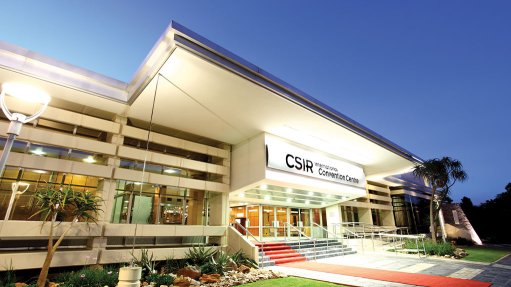
CSIR International Convention Centre (CSIR ICC) - the leading conference and events venue in Pretoria/Tshwane.
VISIT SHOWROOM
John Thompson, the leader in energy and environmental solutions through value engineering and innovation, provides the following: design, engineer,...
VISIT SHOWROOM


Announcements
What's On
Subscribe to improve your user experience...
Option 1 (equivalent of R125 a month):
Receive a weekly copy of Creamer Media's Engineering News & Mining Weekly magazine
(print copy for those in South Africa and e-magazine for those outside of South Africa)
Receive daily email newsletters
Access to full search results
Access archive of magazine back copies
Access to Projects in Progress
Access to ONE Research Report of your choice in PDF format
Option 2 (equivalent of R375 a month):
All benefits from Option 1
PLUS
Access to Creamer Media's Research Channel Africa for ALL Research Reports, in PDF format, on various industrial and mining sectors
including Electricity; Water; Energy Transition; Hydrogen; Roads, Rail and Ports; Coal; Gold; Platinum; Battery Metals; etc.
Already a subscriber?
Forgotten your password?
Receive weekly copy of Creamer Media's Engineering News & Mining Weekly magazine (print copy for those in South Africa and e-magazine for those outside of South Africa)
➕
Recieve daily email newsletters
➕
Access to full search results
➕
Access archive of magazine back copies
➕
Access to Projects in Progress
➕
Access to ONE Research Report of your choice in PDF format
RESEARCH CHANNEL AFRICA
R4500 (equivalent of R375 a month)
SUBSCRIBEAll benefits from Option 1
➕
Access to Creamer Media's Research Channel Africa for ALL Research Reports on various industrial and mining sectors, in PDF format, including on:
Electricity
➕
Water
➕
Energy Transition
➕
Hydrogen
➕
Roads, Rail and Ports
➕
Coal
➕
Gold
➕
Platinum
➕
Battery Metals
➕
etc.
Receive all benefits from Option 1 or Option 2 delivered to numerous people at your company
➕
Multiple User names and Passwords for simultaneous log-ins
➕
Intranet integration access to all in your organisation