How digital innovation and SaaS can contribute to a changed Nigerian energy landscape




This article has been supplied.
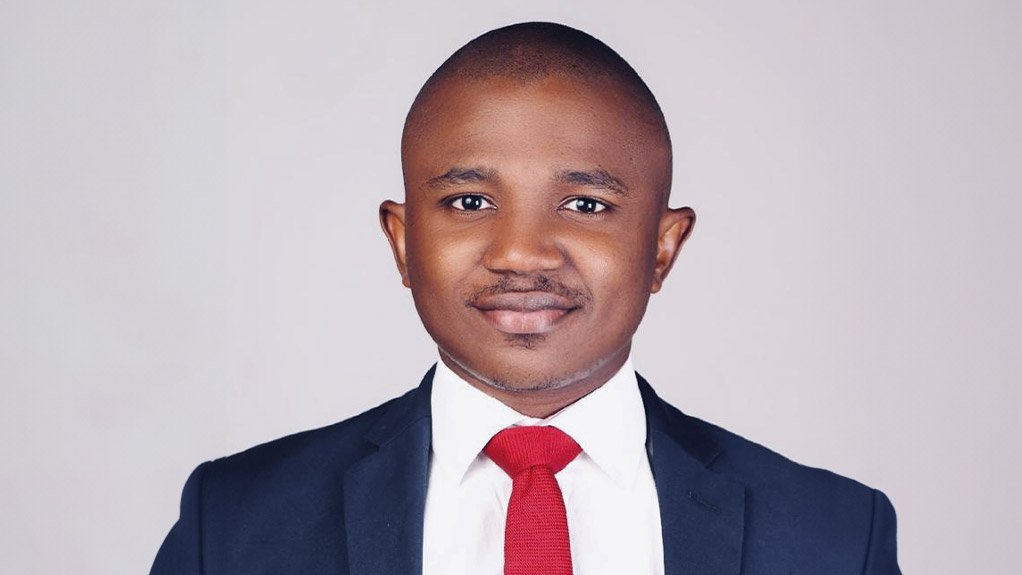
By Elijah Daniel, Country Sales Director, Process Automation & Software, English-speaking Africa at Schneider Electric
Today, just over 60% of Nigerians have access to grid-connected electricity, and even those who do often endure erratic service, with the average daily supply standing at less than seven hours according to the country’s National Bureau of Statistics.
Yet, like Albert Einstein famously said: “In the middle of difficulty lies opportunity”. The convergence of renewable energy and digital innovation can establish a Nigerian energy landscape built on reliability and long-term sustainability.
Understanding Nigeria’s energy structure
Nigeria’s current energy network is defined by a three-pronged structure: generation, transmission, and distribution. Generation is powered predominantly by natural gas, due to the country’s vast reserves, as well hydro and a growing, but still marginal share of renewables.
This generated power is transmitted by a single government-owned entity (TCN), while distribution is privatised across multiple regional distribution companies (DisCos). reaching be end-users across industrial, commercial, and residential sectors.
However, this structure is under severe strain as a result of factors such as transmission bottlenecks, aging infrastructure, demand-supply imbalance and gas supply issues.
Whichever way you look at it, the grid, in its current form, cannot shoulder the needs of Nigeria’s rapidly growing urban population and burgeoning industries. As the country’s population surges past 220 million, the national grid is simply stretched too thin.
Decentralisation and renewables
To improve energy access and reliability, Nigerian policymakers are increasingly supporting decentralised energy solutions. This includes mini-grids and embedded generation systems that serve specific localities or clusters of users.
This decentralisation aligns with Nigeria’s Energy Transition Plan (ETP), which aims to achieve net-zero emissions by 2060. A crucial part of this plan is expanding access through renewables – solar in particular – to unserved and underserved communities.
However, scaling renewable energy also demands modernisation, coordination, and robust digital infrastructure to ensure these systems operate efficiently.
Digital tools for a modern grid
Enter digital transformation. Technologies such as IoT, advanced analytics, digital control systems, and Software as Service (SaaS) platforms are becoming essential to managing Nigeria’s evolving energy landscape.
Digital tools are optimised for myriad applications including substation automation management, load forecasting and energy monitoring. These systems not only optimise how electricity is distributed but also enable proactive maintenance and reduce downtime.
For example, in embedded generation systems, where businesses combine renewables with gas or grid input, digital control allows seamless switching between sources to prevent blackouts.
Furthermore, a digital layer ensures the system understands when grid supply is available and when to draw from solar or battery reserves, maintaining continuous service.
SaaS - the truest flexibility
One particularly promising model is Software as a Service (SaaS), well-known for its ability to eliminate the need for massive upfront capital expenditure by allowing energy providers to subscribe to software platforms that help manage their operations.
However, for SaaS adoption to grow, local relevance is key. Here it is important that service providers offer functionality such integrating with local payment gateways, invest in training and support ecosystems and invest training and support ecosystems.
Localisation of software, modular deployment, and policy alignment will therefore be essential to ensuring SaaS becomes a viable and valuable tool in Nigeria’s energy toolkit.
Aligning polices, tariffs and technology
Technology alone cannot solve Nigeria’s energy crisis. Real progress depends on the alignment of three key pillars: government policy, electricity tariffs, and infrastructure investment.
- Policy - the government’s recent push for decentralisation and increased private sector participation has laid a positive foundation. Programmes under the ETP and rural electrification initiatives are steps in the right direction.
- Tariffs – the electricity pricing a sensitive issue. Nigeria’s tariffs remain amongst the lowest globally which means energy projects often struggle to achieve bankability.
- Infrastructure and Innovation – the investment in digital tools and grid upgrades must be incentivised. Public-private partnerships, donor-backed pilot projects, and capacity-building initiatives will be crucial to scaling the technology adoption required for a modern energy system.
Article Enquiry
Email Article
Save Article
Feedback
To advertise email advertising@creamermedia.co.za or click here

Projects


Latest Multimedia


Latest News
Showroom

Roytec Global is an international company specializing in liquid / solid and mineral separation technologies for the Mining and Industrial sectors.
VISIT SHOWROOM
REELIN is Currently the largest supplier of Bearings to Transnet. We have contracts to supply bearings, draft gears slackadjusters and other...
VISIT SHOWROOM


Press Office
Announcements
What's On
Subscribe to improve your user experience...
Option 1 (equivalent of R125 a month):
Receive a weekly copy of Creamer Media's Engineering News & Mining Weekly magazine
(print copy for those in South Africa and e-magazine for those outside of South Africa)
Receive daily email newsletters
Access to full search results
Access archive of magazine back copies
Access to Projects in Progress
Access to ONE Research Report of your choice in PDF format
Option 2 (equivalent of R375 a month):
All benefits from Option 1
PLUS
Access to Creamer Media's Research Channel Africa for ALL Research Reports, in PDF format, on various industrial and mining sectors
including Electricity; Water; Energy Transition; Hydrogen; Roads, Rail and Ports; Coal; Gold; Platinum; Battery Metals; etc.
Already a subscriber?
Forgotten your password?
Receive weekly copy of Creamer Media's Engineering News & Mining Weekly magazine (print copy for those in South Africa and e-magazine for those outside of South Africa)
➕
Recieve daily email newsletters
➕
Access to full search results
➕
Access archive of magazine back copies
➕
Access to Projects in Progress
➕
Access to ONE Research Report of your choice in PDF format
RESEARCH CHANNEL AFRICA
R4500 (equivalent of R375 a month)
SUBSCRIBEAll benefits from Option 1
➕
Access to Creamer Media's Research Channel Africa for ALL Research Reports on various industrial and mining sectors, in PDF format, including on:
Electricity
➕
Water
➕
Energy Transition
➕
Hydrogen
➕
Roads, Rail and Ports
➕
Coal
➕
Gold
➕
Platinum
➕
Battery Metals
➕
etc.
Receive all benefits from Option 1 or Option 2 delivered to numerous people at your company
➕
Multiple User names and Passwords for simultaneous log-ins
➕
Intranet integration access to all in your organisation