South African private equity firms, lenders back $600m Congo dry port

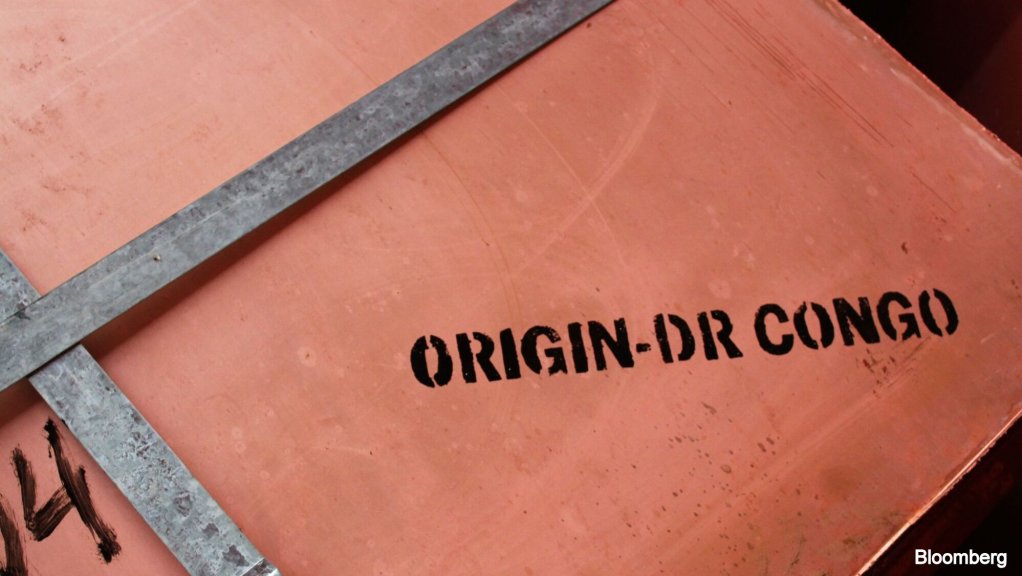


South African private equity firms and lenders will invest $600-million in debt and equity on a dry port in the Democratic Republic of Congo to ease congestion on one of Africa’s busiest mineral corridors.
Yellowstone, a South African group that won a 20-year concession to design, build and operate the dry port, will raise debt with top South African lenders such as Standard Bank Group and Nedbank Group. Others including Ninety One and Africa Export-Import Bank will also participate in the deal that comprises 77.5% debt, project head Francois Diedrechsen said.
The parties have signed a concession pact, with due diligence and full financial closure is expected to be completed by the end of July, he said in an interview.
“It will work on a user-pay principle that services the debt and equity and there is a royalty split between 7% to 15% to the government depending on the level of revenue a month,” he added.
With increasing global trade tensions, more African funders are starting to invest in projects. Deals such as these will facilitate more intra-African trade, he said.
Nedbank and Afrexim declined to comment, while Standard Bank and NinetyOne didn’t immediately respond to requests.
MINERAL CORRIDOR
The new dry port will clear 1 500 trucks a day, transporting minerals such as copper and cobalt through Zambia to South Africa’s port of Durban, or the facility in Mozambique’s capital, Maputo. It’s expected to slash truck-clearance times across the Kasumbalesa border to four hours from six days, he said.
“There is a movement in the Southern African Development Community in cleaning up the border posts to get trade in the region to move more freely,” said Diedrechsen, who was also involved in the upgrades of the Beit Bridge border between Zimbabwe and South Africa.
The US is also spending billions of dollars on an alternative route for minerals leaving Congo for the US. The Lobito corridor connects mining regions through a 1 300 km railway to an Atlantic port in Angola.
On the other hand, China — which controls the processing of a majority of the country’s copper and cobalt — uses the Indian Ocean. It’s also building dry ports and key road and rail infrastructure to ease logistics.
Article Enquiry
Email Article
Save Article
Feedback
To advertise email advertising@creamermedia.co.za or click here
Research Reports

Projects
Latest Multimedia
Latest News

Showroom
CMTS is a leading, well-established EC&I contractor with 37+ years of mining and industrial experience. We execute full-scope EC&I projects with...
VISIT SHOWROOM
Stewarts & Lloyds is a leading steel, tube, and engineering product supplier in South Africa.
VISIT SHOWROOM

Press Office
Announcements
What's On
Subscribe to improve your user experience...
Option 1 (equivalent of R125 a month):
Receive a weekly copy of Creamer Media's Engineering News & Mining Weekly magazine
(print copy for those in South Africa and e-magazine for those outside of South Africa)
Receive daily email newsletters
Access to full search results
Access archive of magazine back copies
Access to Projects in Progress
Access to ONE Research Report of your choice in PDF format
Option 2 (equivalent of R375 a month):
All benefits from Option 1
PLUS
Access to Creamer Media's Research Channel Africa for ALL Research Reports, in PDF format, on various industrial and mining sectors
including Electricity; Water; Energy Transition; Hydrogen; Roads, Rail and Ports; Coal; Gold; Platinum; Battery Metals; etc.
Already a subscriber?
Forgotten your password?
Receive weekly copy of Creamer Media's Engineering News & Mining Weekly magazine (print copy for those in South Africa and e-magazine for those outside of South Africa)
➕
Recieve daily email newsletters
➕
Access to full search results
➕
Access archive of magazine back copies
➕
Access to Projects in Progress
➕
Access to ONE Research Report of your choice in PDF format
RESEARCH CHANNEL AFRICA
R4500 (equivalent of R375 a month)
SUBSCRIBEAll benefits from Option 1
➕
Access to Creamer Media's Research Channel Africa for ALL Research Reports on various industrial and mining sectors, in PDF format, including on:
Electricity
➕
Water
➕
Energy Transition
➕
Hydrogen
➕
Roads, Rail and Ports
➕
Coal
➕
Gold
➕
Platinum
➕
Battery Metals
➕
etc.
Receive all benefits from Option 1 or Option 2 delivered to numerous people at your company
➕
Multiple User names and Passwords for simultaneous log-ins
➕
Intranet integration access to all in your organisation