The evolving grid – why flexibility and reliability are far more important than you think




This article has been supplied.
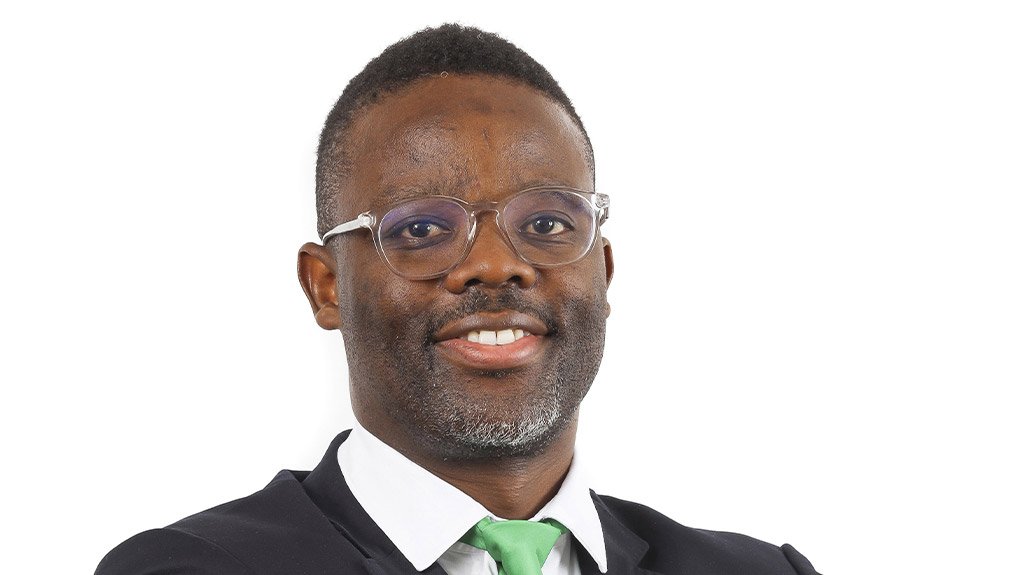
By: Taru Madangombe - Vice President for Power and Grid Segment, MEA at Schneider Electric
Technology’s evolution continues to inspire, however, there are also cautionary tales that justifiably make a solid case for methodical checks and balances. The world’s ever-evolving power grids are certainly a good example.
A recent half-day outage in Spain and Portugal, affecting more than 50 million customers, clearly demonstrates how our evolving grids can be impacted by new challenges. Preliminary findings suggest that the incident was the first known blackout to be caused by overvoltage, which occurs when there is too much electrical voltage in a network.
Furthermore, according to the report, automatic defence plans were activated but could not prevent the power system from shutting down.
In South Africa and the rest of Africa, the grid was never designed to accommodate large-scale rooftop solar adoption, widespread distributed generation, or the rapid growth of electric vehicles and charging infrastructure.
It has, therefore become abundantly clear that as the electricity landscape and grid continue to evolve, two concepts should become vital parts of this equation: flexibility and reliability. And whilst related, each addresses a distinct challenge, particularly in regions undergoing rapid energy transition.
Flexibility – balancing supply and demand in real time
Flexibility, within the context of today’s grid infrastructure, refers to changing consumption profiles and the ability to align them effectively with available generation capacity and supply. Historically, this has been relatively straightforward.
South Africa, for example, had in the past relied predominantly on coal-fired baseload power stations. These conventional plants delivered stable, predictable output, making system planning and balancing far simpler.
From a grid-management perspective, variability was limited and interruptions were easier to control.
However, the introduction of renewable energy sources has fundamentally changed this certainty if you will. Renewable sources like wind and solar are, by their very nature, variable and intermittent, fluctuating according to weather conditions and time of day.
Yes, the transition to a grid that comprises renewables is a positive and necessary move; however, it does expose the grid to far greater variability than it was originally designed to handle.
The result is the need for a flexible grid capable of balancing supply and demand with near real-time capability.
Resilience – maintaining stability
Resilience, on the other hand, describes, in layman’s terms, how the grid responds when something goes wrong. Disturbances can arise from extreme weather events, storms, flooding, earthquakes, or unexpected equipment failures such as transmission line outages. The critical question is not whether disruptions will occur, but how effectively the grid can absorb these?
Here, the grid needs a shock absorber of sorts. Like a shock absorber on a bicycle or car, when a bump is encountered, it dampens the impact to ensure a stable ride. Similarly, a resilient power system must absorb disturbances without triggering widespread outages or system collapse.
From a technical perspective, resilience depends on the availability of the right infrastructure and control mechanisms. These include reactive power compensation, capacitor banks for voltage control, and frequency stabilisation systems.
DERMS – the logical tie-in
Distributed Energy Resource Management Systems (DERMS) form an important part of establishing a grid that is both flexible and resilient.
It can provide utilities and grid operators with the intelligence required to manage distributed energy resources (DERs), including solar, wind, batteries, and diesel generator, in a coordinated and seamless manner.
DERMs allows for real-time balancing of load and generation and help prevent over-generation during periods of low demand while reducing reliance on conventional generation when renewable output is high.
Crucially, grid challenges are not limited to power shortages. During periods of mild weather, demand may be low while solar and wind generation are high. Over-generation can overload networks and cause outages just as readily as insufficient supply.
Again, DERMS address this by providing the capability to curtail generation, when necessary, shift or manage demand, and balance renewable and conventional power sources dynamically.
In doing so, DERMS can transform distributed energy from a grid risk into a grid asset, delivering both the flexibility and resilience that modern grids urgently require.
Article Enquiry
Email Article
Save Article
Feedback
To advertise email advertising@creamermedia.co.za or click here
Research Reports

Projects

Latest Multimedia
Latest News
Showroom
Industrial Nozzles & Systems (Pty) Ltd (Est. 2000) exclusive representative in Southern Africa for LECHLER GmbH (Est. 1879) - Europe's leading...
VISIT SHOWROOM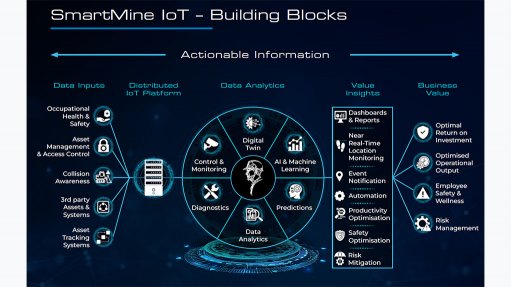
SmartMine IoT has been developed with the mining industry in mind, to provides our customers with powerful business intelligence and data modelling...
VISIT SHOWROOM
Announcements
What's On
Subscribe to improve your user experience...
Option 1 (equivalent of R125 a month):
Receive a weekly copy of Creamer Media's Engineering News & Mining Weekly magazine
(print copy for those in South Africa and e-magazine for those outside of South Africa)
Receive daily email newsletters
Access to full search results
Access archive of magazine back copies
Access to Projects in Progress
Access to ONE Research Report of your choice in PDF format
Option 2 (equivalent of R375 a month):
All benefits from Option 1
PLUS
Access to Creamer Media's Research Channel Africa for ALL Research Reports, in PDF format, on various industrial and mining sectors
including Electricity; Water; Energy Transition; Hydrogen; Roads, Rail and Ports; Coal; Gold; Platinum; Battery Metals; etc.
Already a subscriber?
Forgotten your password?
Receive weekly copy of Creamer Media's Engineering News & Mining Weekly magazine (print copy for those in South Africa and e-magazine for those outside of South Africa)
➕
Recieve daily email newsletters
➕
Access to full search results
➕
Access archive of magazine back copies
➕
Access to Projects in Progress
➕
Access to ONE Research Report of your choice in PDF format
RESEARCH CHANNEL AFRICA
R4500 (equivalent of R375 a month)
SUBSCRIBEAll benefits from Option 1
➕
Access to Creamer Media's Research Channel Africa for ALL Research Reports on various industrial and mining sectors, in PDF format, including on:
Electricity
➕
Water
➕
Energy Transition
➕
Hydrogen
➕
Roads, Rail and Ports
➕
Coal
➕
Gold
➕
Platinum
➕
Battery Metals
➕
etc.
Receive all benefits from Option 1 or Option 2 delivered to numerous people at your company
➕
Multiple User names and Passwords for simultaneous log-ins
➕
Intranet integration access to all in your organisation