Engineering-led renewables gaining ground

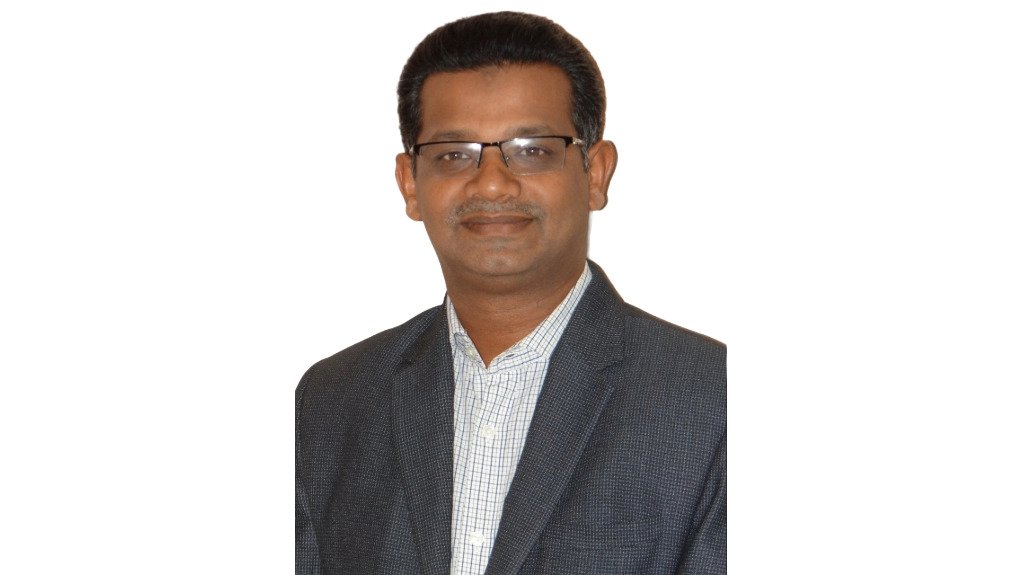
ARIF AGA Engineering-focused project execution can improve affordability while strengthening local capacity


Engineering-led delivery models are gaining traction in Africa’s renewable- energy sector as developers seek lower-cost projects despite rising electricity demand, grid constraints and increased pressure to accelerate energy project deployment, highlights India-headquartered renewable-energy consultant SgurrEnergy director Arif Aga.
He says independent engineering consultancies are increasingly supporting utility- scale renewables projects across Africa, particularly in markets where reliance on full engineering, procurement and construction (EPC) contracting has contributed to elevated project costs.
SgurrEnergy has operated in Africa for more than a decade and with this experience on hand, Aga contends that engineering- focused project execution can improve affordability while strengthening local capacity.
The company has supported more than 6 GW of renewable-energy projects across Africa through a combination of technical advisory services, owner’s engineering, detailed design and project management.
Aga says SgurrEnergy’s African portfolio includes early-stage feasibility work, detailed engineering and construction-phase support for projects ranging from small-scale installations to large utility-scale developments.
The company’s first project in Africa was a 12 MW solar plant, in Burkina Faso, in 2016, followed by work in Djibouti, Uganda, Sierra Leone, Malawi, Somalia, Nigeria, Côte d’Ivoire, Angola and Ghana.
Recent projects include engineering consultancy services for a 400 MW renewable-energy project in Angola, and an International Finance Corporation- (IFC-) funded solar project in Ghana.
SgurrEnergy manages its African activities from a regional base in Nairobi, Kenya, with teams supporting regulatory compliance, permitting and site-specific technical requirements.
Project Affordability
Aga notes that while renewable-energy demand across Africa continues to rise, affordability remains a critical constraint, particularly outside the more mature markets such as South Africa.
EPC pricing in several African jurisdictions remains significantly higher than in competitive global markets, limiting the cost advantage of renewables over conventional generation.
“I have observed EPC costs in some African markets being 15% to 20% higher than in competitive markets,” he adds.
In many cases, international EPC contractors rely extensively on construction firms to execute projects on the ground while retaining only engineering and procurement with a substantial portion of the project margin. This dynamic, he highlights, creates scope for alternative delivery models that place engineering and project management at the centre, with local contractors carrying out construction activities.
SgurrEnergy’s approach separates engineering, procurement oversight, and execution management from construction, consequently allowing for projects to be delivered using local electrical and civil contractors under technical supervision. Aga says this structure can reduce overall project costs while allowing for skills transfer and strengthening domestic engineering capacity.
From a technical perspective, large-scale renewable-energy projects in Africa do not present unique engineering challenges; however, constraints tend to arise from grid availability, land access, evacuation infrastructure and regulatory processes.
He adds that Africa’s energy transition differs from that of developed economies, as many countries on the continent can move directly from limited or unreliable power systems to renewable-based generation without first expanding fossil fuel or nuclear capacity. This creates opportunities for decentralised generation models, including utility-scale plants, microgrids and hybrid systems combining solar, wind and battery storage.
Additionally, Aga says falling battery costs are improving the viability of renewables as a reliable power source, particularly in regions with dispersed populations and weak transmission networks. In some markets, high electricity tariffs persist despite declining generation costs, underscoring inefficiencies in power delivery systems.
He cites examples where consumers pay substantially more for electricity than the cost of generation from renewables, suggesting that localised generation and storage could offer a more cost-effective alternative to extensive grid expansion.
Aga expects renewable-energy investments in Africa to continue growing, supported by declining storage costs and increased involvement from multilateral lenders. Institutions such as the IFC and the African Development Bank are playing an increasing role in improving project bankability and investor confidence, particularly in markets with political and regulatory uncertainty.
“Technically and commercially, renewable energy is established, and demand is there; the remaining challenges are largely institutional and political,” he concludes.
Article Enquiry
Email Article
Save Article
Feedback
To advertise email advertising@creamermedia.co.za or click here
Research Reports
Projects
Latest Multimedia

Latest News

Showroom
M and J Mining are leading suppliers of physical support systems as used by the underground mining industry. Our selection of products are not...
VISIT SHOWROOM
Rio Carb is an OEM (Original Equipment Manufacturer) of R-C700 Chromium Carbide (CrC) alloy clad wear plates and pipes used for heavy materials...
VISIT SHOWROOM

Press Office
Announcements
What's On
Subscribe to improve your user experience...
Option 1 (equivalent of R125 a month):
Receive a weekly copy of Creamer Media's Engineering News & Mining Weekly magazine
(print copy for those in South Africa and e-magazine for those outside of South Africa)
Receive daily email newsletters
Access to full search results
Access archive of magazine back copies
Access to Projects in Progress
Access to ONE Research Report of your choice in PDF format
Option 2 (equivalent of R375 a month):
All benefits from Option 1
PLUS
Access to Creamer Media's Research Channel Africa for ALL Research Reports, in PDF format, on various industrial and mining sectors
including Electricity; Water; Energy Transition; Hydrogen; Roads, Rail and Ports; Coal; Gold; Platinum; Battery Metals; etc.
Already a subscriber?
Forgotten your password?
Receive weekly copy of Creamer Media's Engineering News & Mining Weekly magazine (print copy for those in South Africa and e-magazine for those outside of South Africa)
➕
Recieve daily email newsletters
➕
Access to full search results
➕
Access archive of magazine back copies
➕
Access to Projects in Progress
➕
Access to ONE Research Report of your choice in PDF format
RESEARCH CHANNEL AFRICA
R4500 (equivalent of R375 a month)
SUBSCRIBEAll benefits from Option 1
➕
Access to Creamer Media's Research Channel Africa for ALL Research Reports on various industrial and mining sectors, in PDF format, including on:
Electricity
➕
Water
➕
Energy Transition
➕
Hydrogen
➕
Roads, Rail and Ports
➕
Coal
➕
Gold
➕
Platinum
➕
Battery Metals
➕
etc.
Receive all benefits from Option 1 or Option 2 delivered to numerous people at your company
➕
Multiple User names and Passwords for simultaneous log-ins
➕
Intranet integration access to all in your organisation