Supply industry faces pivotal moment – association

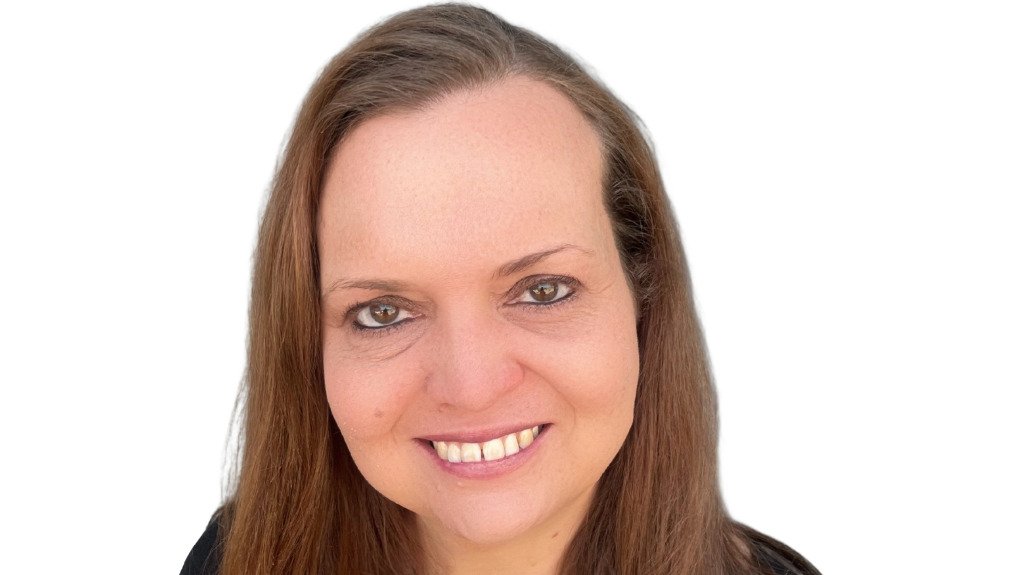
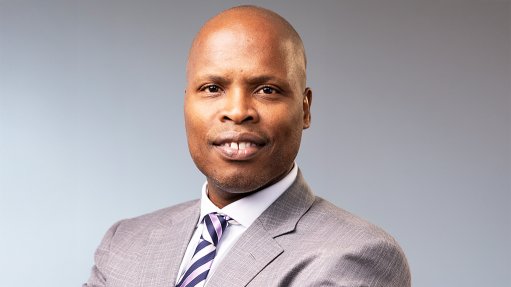
LEONÉ HUMAN An independent transmission company that can raise capital to expand the transmission infrastructure will unlock energy and enable IPPs, resulting in more competition


The South African electricity supply industry is at a pivotal point, and the partial unbundling of State-owned power utility Eskom remains a key hurdle to boosting investor confidence, highlights South African Independent Power Producers Association (SAIPPA) chairperson Leoné Human.
She adds that the introduction of the 100 MW exemption played a key role in addressing the country’s energy crisis, with independent power producer (IPP) projects that had historically taken years to complete now being built much more quickly, providing private consumers with power and alleviating the electricity crisis.
She commends the positive developments regarding the establishment of the South African Wholesale Electricity Market (SAWEM), which is anticipated to introduce a shift from the current single-buyer model to a more distributed model which, in turn, provides improved market access, new revenue streams for IPPs and multiple offtake options.
Moreover, she says SAWEM will be necessary to broaden the type of offtakers, as it will welcome smaller customers into the market.
Policy and Regulatory Constraints
Human notes that the Electricity Regulation Amendment Act (ERAA) envisages liberated transmission infrastructure that ensures a transparent, technology-agnostic and competitive electricity market based on guaranteed non-discriminatory access.
Therefore, the full unbundling of Eskom will result in a fully independent transmission company that owns the transmission infrastructure assets and operates the system autonomously.
“From SAIPPA’s perspective, this will boost investor confidence, which will enable the transmission company to raise capital to enable the expansion of the grid to build the 14 000 km of transmission lines required in ten years. The new grid capacity will also unlock ready renewable energy from IPPs to enable a competitive electricity supply industry with certainty for private investment.”
Human adds that the role of the National Energy Regulator of South Africa remains paramount in setting clear regulatory rules that define the participation of IPPs; this should include standardised frameworks, and consistent licensing processes to allow for new entrants, and encourage private participation and investments.
Procurement and Market Reform Lessons
Reflecting on the lessons learned from the Renewable Energy Independent Power Producer Procurement Programme (REIPPPP) in terms of guiding the next phase of energy procurement and market reform, Human says the REIPPPP previously focused on the constraints and the opportunities that were relevant in the 2010s.
SAIPPA believes that the programme has partly redirected its focus to the constraints and opportunities that are relevant to the current energy realities such as battery energy storage systems and independent transmission projects (ITPs).
“It is imperative that much effort is given to the ITPs to accelerate grid development, improve energy security and integrate new generation capacity into the grid. Challenges such as . . . grid expansion constraint and delays, are key lessons for the next phase of South Africa’s energy procurement and market reform.
“SAIPPA, being technology agnostic, believes that the biggest opportunity lies in transmission being fully separated and liberated from Eskom, as this could eliminate the looming systemic risk and, in turn, boost investor confidence.
“An independent transmission company that can raise capital to expand the transmission infrastructure will unlock energy and enable IPPs, resulting in more competition,” Human concludes.
Article Enquiry
Email Article
Save Article
Feedback
To advertise email advertising@creamermedia.co.za or click here
Research Reports
Projects
Latest Multimedia
Latest News
Showroom
Established in 1933, EKATO is the world leader in agitation technology, supplying agitators for processes and applications such as chemicals and...
VISIT SHOWROOM
Electrifying the world in a safe, smart, and sustainable way, ABB Electrification is a global technology leader in electrical distribution and...
VISIT SHOWROOM
Press Office
Announcements
What's On
Subscribe to improve your user experience...
Option 1 (equivalent of R125 a month):
Receive a weekly copy of Creamer Media's Engineering News & Mining Weekly magazine
(print copy for those in South Africa and e-magazine for those outside of South Africa)
Receive daily email newsletters
Access to full search results
Access archive of magazine back copies
Access to Projects in Progress
Access to ONE Research Report of your choice in PDF format
Option 2 (equivalent of R375 a month):
All benefits from Option 1
PLUS
Access to Creamer Media's Research Channel Africa for ALL Research Reports, in PDF format, on various industrial and mining sectors
including Electricity; Water; Energy Transition; Hydrogen; Roads, Rail and Ports; Coal; Gold; Platinum; Battery Metals; etc.
Already a subscriber?
Forgotten your password?
Receive weekly copy of Creamer Media's Engineering News & Mining Weekly magazine (print copy for those in South Africa and e-magazine for those outside of South Africa)
➕
Recieve daily email newsletters
➕
Access to full search results
➕
Access archive of magazine back copies
➕
Access to Projects in Progress
➕
Access to ONE Research Report of your choice in PDF format
RESEARCH CHANNEL AFRICA
R4500 (equivalent of R375 a month)
SUBSCRIBEAll benefits from Option 1
➕
Access to Creamer Media's Research Channel Africa for ALL Research Reports on various industrial and mining sectors, in PDF format, including on:
Electricity
➕
Water
➕
Energy Transition
➕
Hydrogen
➕
Roads, Rail and Ports
➕
Coal
➕
Gold
➕
Platinum
➕
Battery Metals
➕
etc.
Receive all benefits from Option 1 or Option 2 delivered to numerous people at your company
➕
Multiple User names and Passwords for simultaneous log-ins
➕
Intranet integration access to all in your organisation