Smarter belt monitoring: Why an integrated approach – and the right OEM – matter more than ever


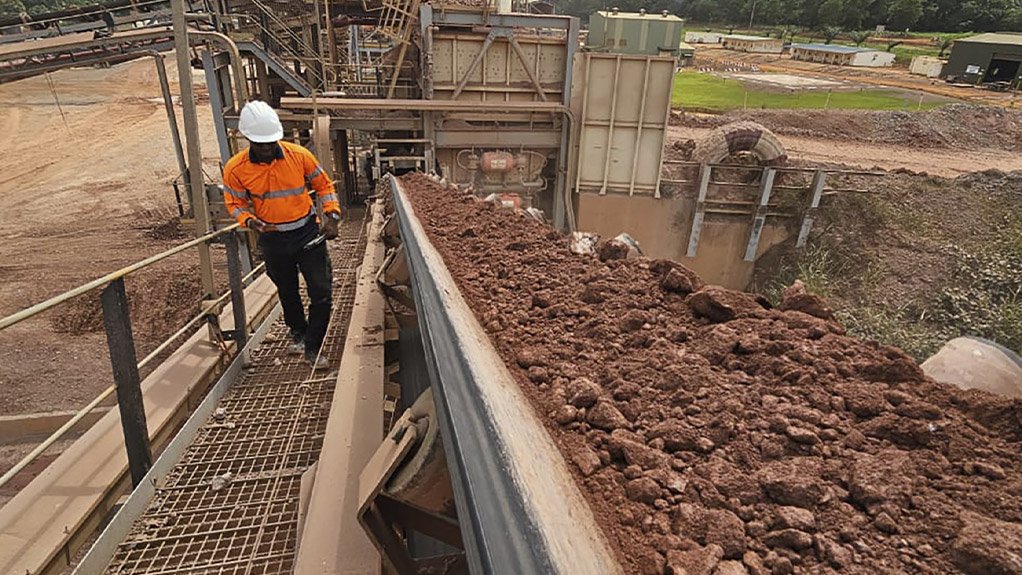
Shaun Blumberg, COO of Tru-Trac
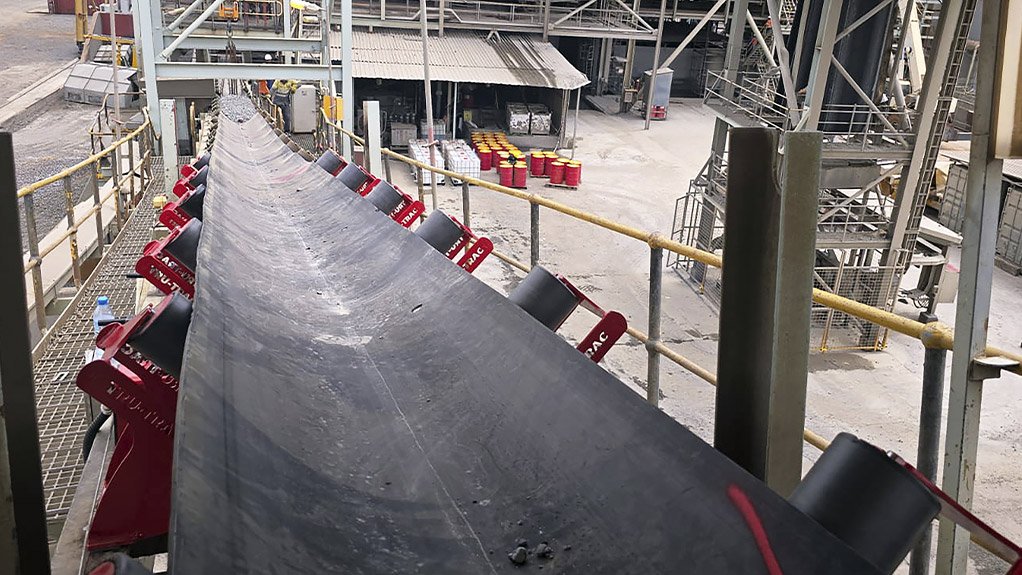
With Tru-Trac conveyor solutions, accurate monitoring protects both equipment and energy efficiency by maintaining smooth reliable conveyor operation
Mechanical excellence remains the anchor of every smart conveyor, providing the foundation for safe, stable and optimised operation
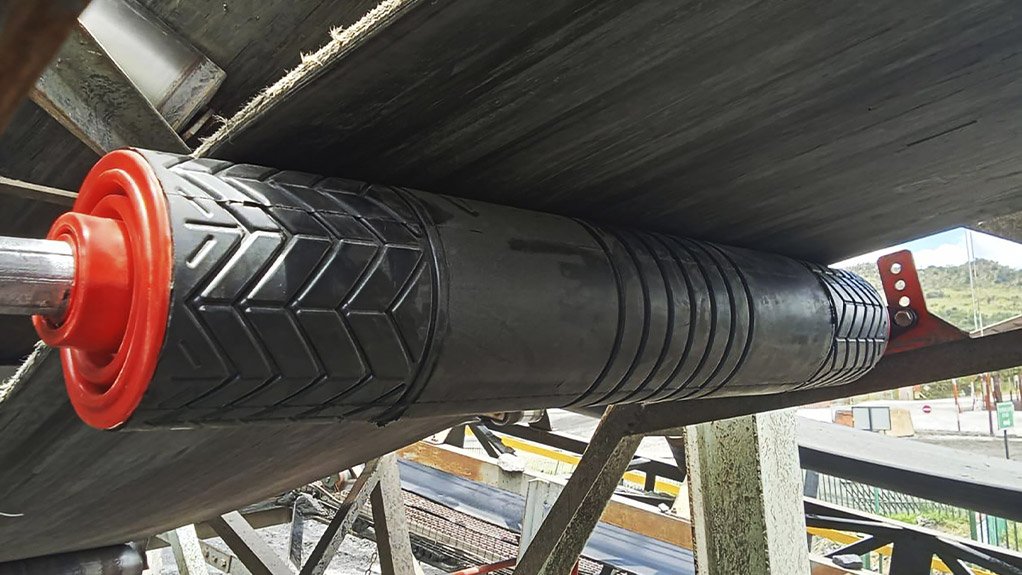
Detecting a single deviation early can save an entire shift, avoiding downtime and protecting overall conveyor performance
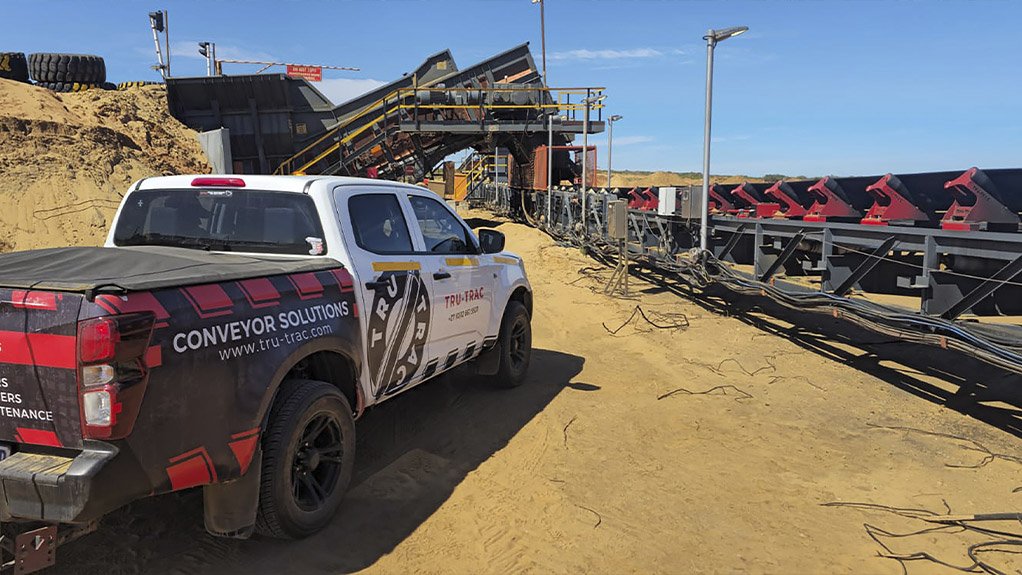
Tru-Trac’s ‘look and see’ inspection philosophy keeps conveyors running at peak performance by identifying issues before they escalate

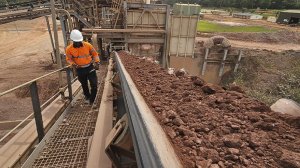


This article has been supplied.
Conveyor systems are the backbone of material handling in mines, quarries and bulk processing plants. They move massive volumes of material across long distances and through complex circuits, linking each stage of production. When they operate reliably, they underpin productivity. When they falter, the knock-on effects can halt operations and drive up costs within minutes. Issues such as spillage, carryback, misalignment, premature belt wear and safety incidents can escalate quickly and recovering from them is seldom straightforward.
Against this backdrop, monitoring technologies have developed rapidly over the past decade. What began with basic mechanical indicators has now evolved into sophisticated real-time digital systems capable of providing continuous insight into the performance of the entire conveyor line. This evolution reflects a broader trend across heavy industry with the shift from reactive maintenance to condition-based and predictive strategies. For plant operators, the opportunity lies not simply in collecting more data but in taking an integrated approach that combines mechanical excellence, instrumentation and actionable intelligence. And, critically, the success of that integration is best achieved when supported by a reputable conveyor systems OEM such as Tru-Trac.
The evolution of conveyor monitoring
Monitoring once meant responding to failures after they had already disrupted production. A tripped motor or overheated bearing was the signal that something was wrong and maintenance teams were left scrambling to diagnose and repair the issue. While this reactive model kept belts running, it also locked plants into cycles of unplanned downtime, expensive repairs and higher safety risks.
The first significant change was the move from single-point alarms to broader visibility. Traditional setups might flag motor temperature or belt speed anomalies but these offered only a narrow window into what was happening along the conveyor’s length. Subtle but critical upstream issues - idler failures, belt wander, loading inconsistencies or fugitive material at transfer points - remained invisible until they caused real damage.
Today’s systems integrate multiple data streams across the conveyor line. Belt tracking status, idler vibration, chute and skirt performance, scraper effectiveness, bearing temperatures, power draw, belt thickness and cover wear and load profiles can all be measured and correlated. By piecing these signals together, operators can see how small deviations trigger cascading problems – for example belt wander leads to edge damage which worsens misalignment which in turn drives spillage, cleanup costs and eventual belt replacement.
Equally important is the trend toward placing monitoring closer to the source of the problem. With the arrival of edge computing, low power devices can now process vibration, thermal and acoustic data directly on idler frames or pulley housings. Instead of waiting for anomalies to surface hours later in the plant’s historian system early signs of wear or friction are flagged immediately, allowing for targeted intervention before a catastrophic failure occurs.
The final, and perhaps most transformative, stage of evolution has been the shift from raw data to actionable intelligence. Monitoring platforms increasingly translate sensor values into clear prioritised recommendations such as which idlers to replace, where to re-tension a scraper or when to inspect a chute liner. Integrating these outputs with a plant’s computerised maintenance management system (CMMS) ensures that the right work orders are raised, the correct spares are allocated and technicians arrive on site equipped for the task. This closes the loop from detection to intervention.
Monitoring and mechanical excellence go hand in hand
Despite the sophistication of today’s monitoring technology, the fundamentals of conveyor performance remain mechanical. Belts must track true, loading must be controlled, chutes must flow smoothly and material must be cleaned effectively. If these fundamentals are neglected, even the best monitoring system cannot prevent failures.
This is where a holistic approach comes into play. Hardware such as Tru-Trac belt trackers, primary and secondary scrapers, skirting systems, impact beds and slider cradles continue to form the foundation of reliable conveyor operation. Monitoring enhances these investments by confirming their performance, providing measurable proof of reduced carryback or improved alignment and highlighting when adjustments are required. The fusion of mechanical excellence with digital oversight delivers results that neither approach could achieve alone.
The sustainability and safety dimension
Monitoring also addresses the increasing emphasis on sustainability and safety across mining and materials handling. Conveyor belts consume substantial amounts of energy and misalignment or poor cleaning only increases friction and power draw. By keeping belts centred and return strands clean, operators can achieve measurable energy savings. Extending belt life also reduces the frequency of costly replacements, lowering both material usage and waste.
From an environmental standpoint, reducing spillage and dust directly supports compliance with community and regulatory expectations. Cleaner conveyors mean cleaner plants, safer walkways and reduced reliance on dust suppression systems. Meanwhile, improved diagnostics for pull-cords, emergency stops and guarding systems provide reliable assurance for both employees and regulators that safety measures are in place and functioning as intended.
The business case for integration
The economic benefits of integrated monitoring are clear. Unplanned downtime on a production-critical conveyor can cost tens of thousands of rand per hour. By identifying issues early, plants can act before small problems escalate into major disruptions. Replacing an idler identified as running hot costs little compared to repairing belt edges or recovering from a derailment.
Energy savings are another driver. A belt that is properly aligned and free from excess material runs with lower resistance, drawing less power and reducing stress on motors and drives. Over time, these savings add up to significant reductions in operating costs. Planned maintenance also becomes more efficient. With accurate wear data, spares can be ordered in advance and repairs scheduled during planned shutdowns eliminating the need for costly emergency interventions.
“An integrated approach to monitoring is no longer optional,” Shaun Blumberg, COO of Tru-Trac says. “You cannot look at sensors in isolation or mechanics on their own. The real value comes when you combine proven hardware with smart monitoring, so you can prevent issues before they escalate and keep the operation running at peak efficiency.”
Why an OEM partner matters
While the technology is compelling, the true success of any monitoring initiative depends on execution. This is where a reputable OEM such as Tru-Trac makes all the difference.
Firstly, an experienced OEM ensures that monitoring is built on a solid mechanical foundation. Tru-Trac’s belt trackers and cleaning systems are designed to withstand the realities of dust, moisture, misloading, misalignment and heavy duty operating conditions. By addressing the mechanical root causes of issues, they create the conditions in which monitoring can deliver meaningful insights.
Secondly, a trusted OEM provides lifecycle support. From correct commissioning and baseline audits to regular follow-up inspections, an OEM partner ensures that performance standards are maintained and that monitoring data is correctly interpreted. They can validate root causes when alarms are raised and implement permanent fixes rather than leaving operators to battle recurring symptoms.
Thirdly, integration is made practical. Rather than overwhelming plants with excessive sensors and data streams, a partner like Tru-Trac identifies the critical monitoring points that deliver the most value. This ensures that monitoring remains focused, manageable and aligned with operational priorities.
Finally, the reliability of ongoing support cannot be overstated. In regions where logistics and skills shortages can undermine uptime, having a partner who can supply spares, provide training and deliver rapid technical assistance is crucial.
A roadmap to success
For operators looking to embark on this journey, the starting point is a baseline survey of conveyor performance. This assessment highlights the key problem areas - whether mistracking or misalignment on a long overland conveyor, recurring idler failures in a curved section or persistent carryback at a wet transfer point. Mechanical improvements such as upgraded trackers, scrapers or impact systems are implemented first, followed by targeted monitoring to verify performance gains and catch regressions.
Over time, the monitoring architecture can be expanded across the conveyor network. Clear alarm thresholds, direct integration with maintenance systems and monthly review sessions with the OEM partner ensure that monitoring remains relevant and effective.
Conveyor monitoring has progressed far beyond isolated alarms to become a discipline of integration. By combining mechanical excellence, digital intelligence and structured response, operators can reduce downtime, optimise energy consumption, extend asset life and strengthen safety. The role of a reputable OEM such as Tru-Trac is pivotal in making this integration practical and sustainable, ensuring that both hardware and monitoring are designed, implemented and supported to deliver lasting results.
“In an era where efficiency, sustainability and safety are under constant scrutiny, conveyor systems can no longer be managed in silos. With Tru-Trac as a partner, operators are empowered not only to track their belts but to take full control of their operations, achieving consistent and predictable performance across the life of the conveyor,” Blumberg concludes.
Article Enquiry
Email Article
Save Article
Feedback
To advertise email advertising@creamermedia.co.za or click here
Research Reports

Projects
Latest Multimedia


Latest News

Showroom
Supplier & Distributor of the Widest Range of Accurate & Easy-to-Use Alcohol Breathalysers
VISIT SHOWROOM
Roytec Global is an international company specializing in liquid / solid and mineral separation technologies for the Mining and Industrial sectors.
VISIT SHOWROOM



Announcements
What's On
Subscribe to improve your user experience...
Option 1 (equivalent of R125 a month):
Receive a weekly copy of Creamer Media's Engineering News & Mining Weekly magazine
(print copy for those in South Africa and e-magazine for those outside of South Africa)
Receive daily email newsletters
Access to full search results
Access archive of magazine back copies
Access to Projects in Progress
Access to ONE Research Report of your choice in PDF format
Option 2 (equivalent of R375 a month):
All benefits from Option 1
PLUS
Access to Creamer Media's Research Channel Africa for ALL Research Reports, in PDF format, on various industrial and mining sectors
including Electricity; Water; Energy Transition; Hydrogen; Roads, Rail and Ports; Coal; Gold; Platinum; Battery Metals; etc.
Already a subscriber?
Forgotten your password?
Receive weekly copy of Creamer Media's Engineering News & Mining Weekly magazine (print copy for those in South Africa and e-magazine for those outside of South Africa)
➕
Recieve daily email newsletters
➕
Access to full search results
➕
Access archive of magazine back copies
➕
Access to Projects in Progress
➕
Access to ONE Research Report of your choice in PDF format
RESEARCH CHANNEL AFRICA
R4500 (equivalent of R375 a month)
SUBSCRIBEAll benefits from Option 1
➕
Access to Creamer Media's Research Channel Africa for ALL Research Reports on various industrial and mining sectors, in PDF format, including on:
Electricity
➕
Water
➕
Energy Transition
➕
Hydrogen
➕
Roads, Rail and Ports
➕
Coal
➕
Gold
➕
Platinum
➕
Battery Metals
➕
etc.
Receive all benefits from Option 1 or Option 2 delivered to numerous people at your company
➕
Multiple User names and Passwords for simultaneous log-ins
➕
Intranet integration access to all in your organisation